
Christopher L. Shank, DMD
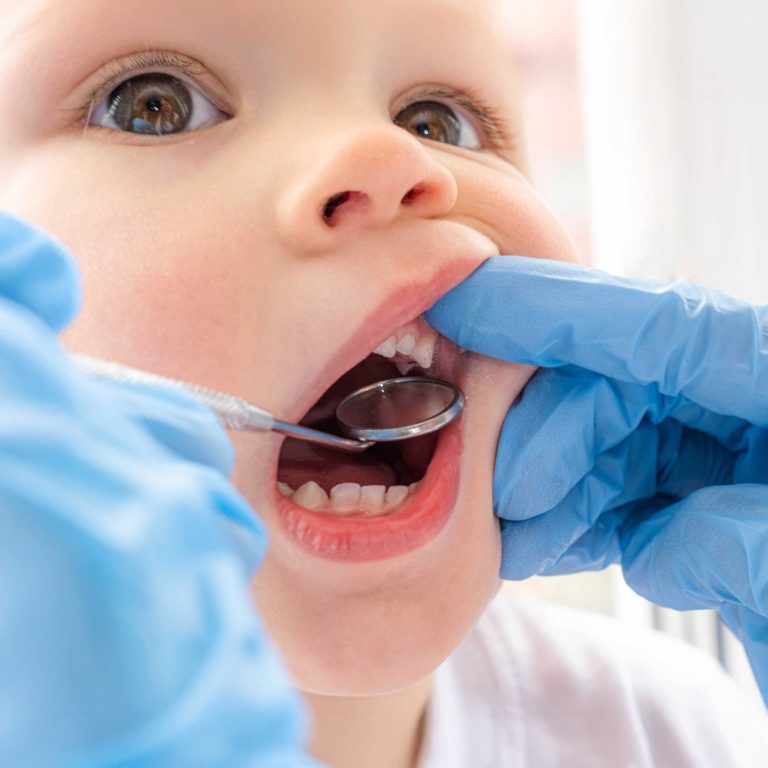
When a dentist is watching a tooth, it means they’ve identified early signs of decay but no damage severe enough to require drilling. The tooth is monitored closely while preventive treatments help arrest the decay from progressing.
National Children’s Dental Health Month is the perfect time to talk about a phrase that often confuses parents and patients, “we’re going to watch this tooth.”
If you’ve ever heard this at a dental visit, you might have wondered:
The short answer should be reassuring: watching a tooth is not ignoring it. In fact, it’s one of the most proactive, prevention-focused approaches in modern dentistry—especially for kids.
In this article, we’ll clearly explain what it means when a dentist is watching a tooth, why it may be the healthiest choice, what proactive treatments may be used, and how your dentist will know when it’s time to move forward with restorative care.
When a dentist says they are watching a tooth, it means they’ve noticed an early change, like the signs of tooth decay.
At this stage, the tooth enamel (the hard, outer protective layer of the tooth) may be weakened, but it hasn’t broken down enough to require a filling. Instead of rushing into drilling, your dental team chooses careful monitoring paired with proactive solutions for prevention.
One of the most common misconceptions patients have is that watching a tooth means “doing nothing.” In reality, it usually means dedicating extra time and attention to prevent continued progress of decay or weakening tooth structure.
Children’s teeth are unique. Baby teeth have thinner enamel, and newly erupted adult teeth are still vulnerable—but also more responsive to early intervention.
Dentists may recommend watching a tooth when:
The American Dental Association and the American Academy of Pediatric Dentistry both support early, non-invasive cavity management when appropriate, especially for pediatric patients.
When a tooth is being “watched,” dentists often prescribe small, targeted interventions to arrest decay. These treatments are simple, quick, and designed to protect the tooth while it’s monitored.
| Treatment Option | Purpose & How It Helps |
|---|---|
| Silver Diamine Fluoride (SDF) | Helps arrest cavity-causing bacteria while strengthening weakened enamel. This quick, gentle, pain-free application allows a tooth to stabilize without drilling or numbing, making it ideal for children and patients with dental anxiety. |
| Fluoride Treatments & Prescription Toothpaste | Replenishes natural fluoride in enamel to strengthen teeth and slow or stop early decay. May include in-office fluoride varnish, prescription-strength toothpaste, or fluoridated mouth rinses for daily protection. |
| Dental Sealants | Thin, protective coatings applied to the chewing surfaces of back teeth to block food particles and cavity-causing bacteria from deep pits and grooves. Non-invasive and highly effective for prevention. |
| X-Rays for Early Detection | Allows dentists to monitor early cavities that begin below the surface and are not visible to the naked eye, supporting proactive monitoring and timely treatment. |
| Curodont™ Repair (Biomimetic Enamel Repair) | A biomimetic treatment that guides minerals back into weakened enamel, supporting the tooth’s natural repair process before decay reaches deeper layers. |
| At-Home Care Between Visits | Brushing twice daily and flossing once daily removes plaque and protects enamel. Electric toothbrushes and proper technique improve cleaning along the gumline and hard-to-reach areas. |
Together, strong at-home habits and regular dental visits create the foundation for successful monitoring and long-term oral health.
While many watched teeth remain stable or even improve with proactive treatment, sometimes decay progresses despite our best efforts. That’s why close monitoring is so important.
It may be time to move from watching to treatment if:
When this happens, acting early still makes treatment simpler and more comfortable than waiting until symptoms worsen.
By watching teeth carefully, dentists aim to intervene at the smallest, safest stage possible. This philosophy aligns with modern, evidence-based dentistry and helps all patients– but especially children, build positive dental experiences.
Children’s Dental Health Month is a great reminder that prevention starts early. If you’ve ever wondered, “What does it mean when a dentist says they are watching a tooth?”—now you know it’s a sign of attentive, modern care.
If you want to learn which proactive treatments will make the biggest impact for your kids or yourself, don’t hesitate to reach out or schedule a visit. Small steps today can make a big difference tomorrow for healthier, happier smiles!